
Game IQ: How Players Analyze Footage to Gain a Tactical Edge
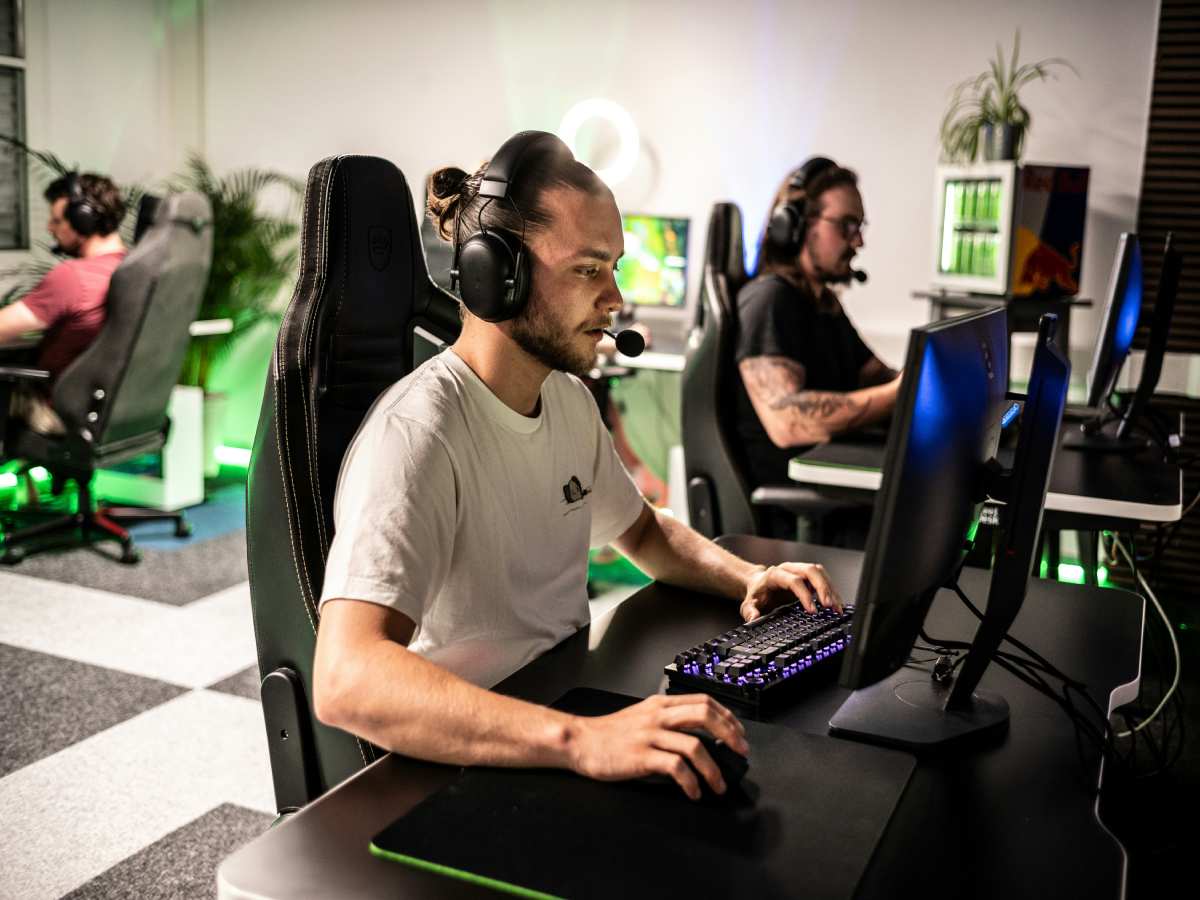
In Korea, where both esports and traditional sports hold immense cultural influence, success isn’t determined solely by talent—preparation is key. For today’s elite players, preparation means “video analysis.” Hours of video analysis are essential. Whether you’re a League of Legends pro or a powerhouse hitter in the KBO, video analysis has become as crucial as practice itself. Why do players obsess over every frame? What are they really looking for? Let’s take a closer look at the engine that powers the shining moments of the modern game.
Table of Contents
Inside the video analysis room
The video room is no longer a place of silence and concentration. It’s always noisy—the sounds of discussions, the rewinding of recordings, someone’s shrill shout or sigh. The atmosphere in these moments is similar to the tension before a match: every detail suddenly seems crucial, as if a big bet is on it. 온라인카지노 As calculation and intuition intersect, Korean players don’t stop at individual analysis—coaches, assistant coaches, and even dedicated analysts are always involved in the viewing.
Basketball teams like the Seoul SK Knights and volleyball team Daejeon KGC dedicate three to four hours a week to watching recorded footage of their opponents. For them, this isn’t a formality or a routine duty—it’s an obsession with detail. This approach is paying off: after revisiting their tactics, KGC increased their successful block rate by 18%.
Watch with a purpose
Video analysis isn’t simply passively observing playback. Everything is done with meaning and a clear goal. online casinoJust as attention to small details determines victory or defeat in a game, there’s no room for chance in match analysis. Every moment counts. Korean professional League of Legends players break down matches into their individual parts. They record tower positions, the timing and location of damage, and more.
FC Seoul’s defenders aren’t satisfied with just one or two views. They replay transition scenes five or six times, trying to figure out what went wrong. They always have a specific goal: adjusting the angle, narrowing or widening the area of responsibility, or adjusting their positioning on the field. Here, every frame is an opportunity to understand something and improve. In Korean sports, nothing is trivial. Everything matters.
Relative Analysis
Analyzing your opponent creates a true tactical advantage. The best players don’t just see, they decipher. Korean teams systematically do this:
- Movement Trends – KBO baseball pitchers are analyzed pitch-by-pitch, like Kiwoom’s Ahn Woo-jin. When facing a right-handed batter on an 0-2 count, where is the fastball? 78% of the time, it’s inside.
- Set-play habits – Ulsan Hyundai’s midfielders track Jeonbuk’s diagonal runs to open up space after the 70th minute. This is predictable and now defensible.
- Emotional Cues – Like esports players, Faker reads the enemy jungler’s pre-fight intentions through their trembling clicks. This intuition is backed up by video analysis.
- Defensive Rotation – Basketball teams slow down plays and identify late defensive transitions. The SK Knights reduced their closing speed by 0.4 seconds after a month of intensive video analysis.
This isn’t speculation. It’s data-driven analysis that pays off on game day.
Learning from mistakes
Failure hurts. But in Korea, it fuels the fire. The Lotte Giants coaching staff analyzes every botched save within 24 hours—not to assign blame, but to dissect why it happened. They chart pitch selection, batter actions, and even bench gestures. The goal? To never make the same mistake twice.
This attitude is even stronger in esports. When Gen.G lost to T1 in the LCK Spring Finals, the team watched the decisive match 12 times—pausing, discussing, fast-forwarding, and explaining every death scene. As one player put it, “It hurt, but I won’t lose like that anymore.” This mindset—accepting pain—promotes growth. And in Korean sports culture, growth is everything.
Discovering hidden patterns
What makes a brilliant play? It’s often recognizing something others miss. Here’s how Korean teams strike gold on video:
- Repetition in Chaos – KT Rolster found that DRX would only move their top laner mid when they were behind after 12 minutes. This allowed them to set up two surprises in a single series.
- Unintentional formation – FC Seoul found that their fullbacks formed a diamond formation when switching.
- It was advantageous for short passes, but dangerous for counters. They fixed it within a week.
- Tempo Change – Hanwha Eagles hitters take note of the pitcher’s preparation time. One relief pitcher took 0.2 seconds longer to throw a slider, and the hitter caught it. A home run followed.
- Communication gap – Volleyball teams track body posture to predict poor sets. If a setter’s footwork throws them off balance during defense, they adjust during play.
These aren’t just guesses. They’re patterns extracted from hundreds of hours of footage, and they lead to winning matches.
Prepare for the unexpected
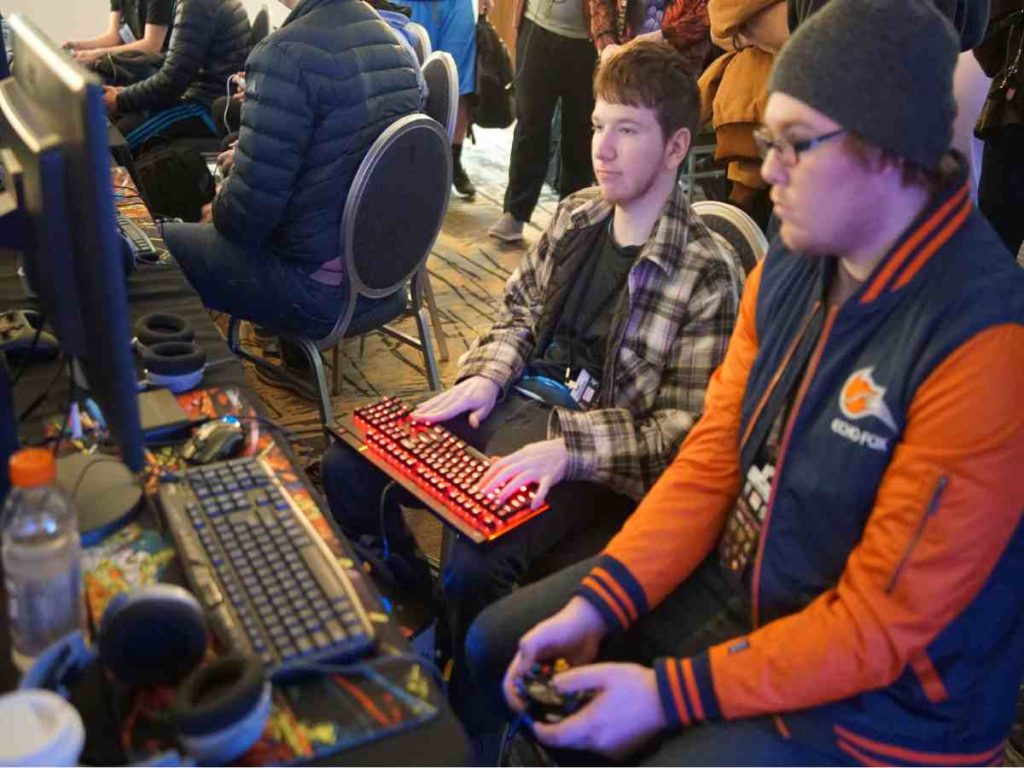
Games never go as planned, so top teams prepare for disruption. Korean volleyball teams test their mental resilience by simulating a comeback from a six-point or more downside. The SK Wyverns programmed a VR simulation that included random referee calls to cultivate resilience through uncertainty.
In League of Legends, T1 practices sudden lane swaps at odd intervals. They even created custom scrims where their opponents mimic unorthodox Chinese strategies. Why? Because when something strange happens live, it’s not something new. It’s just another situation they’ve already overcome.
Turning Insights into Action
Studying is one thing—applying it is another. Here’s how Korean athletes close this loop:
- Tactical Simulation — Before each KBO Series, teams play “ghost innings” based on footage of the opposing team. No balls. Just muscle memory.
- During the match, cue cards are kept by FC Seoul’s bench players based on video analysis, including positional reminders, trigger moves, and danger zones.
- Feedback Sessions – Gen.G hosts post-match roundtable discussions with players and coaches. Only video-supported criticism is allowed. No emotion, just evidence.
- Real-time correction – The Incheon V-League team provides tablets to assistant coaches during matches. If there’s a discrepancy with the video pattern, they receive real-time signals.
Bottom line? Insight is useless without action. Korean teams make sure that difference shines through on the pitch.
The link between coaches and players
When video analysis leads to trust, magic happens. Korean players don’t just watch the footage out of obligation—they believe in what they’re learning. Coaches don’t just give instructions; they translate their vision into action. This bond, built with each frame, is what turns a good team into a great one.