
How HRIS Solutions Shape Modern Workplaces
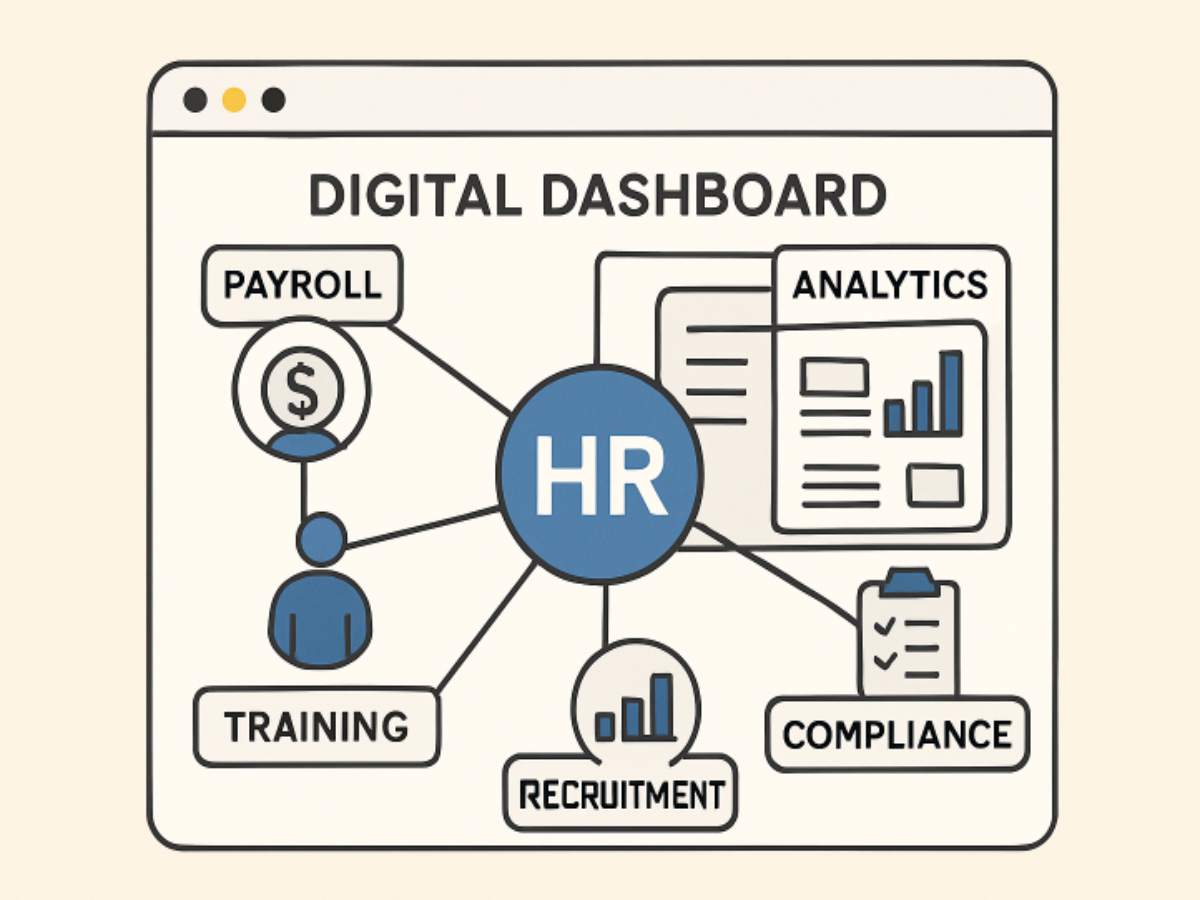
Table of Contents
Key Takeaways
- HRIS solutions centralize HR functions, improving efficiency and data management.
- Advanced features, including AI-powered applicant tracking and geofencing, enhance recruitment and streamline time management.
- Integration with other workplace technologies fosters a cohesive and productive work environment.
In today’s rapidly evolving business landscape, organizations increasingly lean on technology to streamline operations and enhance employee experiences. Human Resource Information Systems (HRIS) have emerged as foundational platforms in this digital transformation, unifying disparate HR tasks into a cohesive system. Centralizing HR operations not only reduces administrative burdens but also introduces a strategic advantage by consolidating critical workforce data and processes in a single location.
Furthermore, the consensus among academic sources reinforces their importance; the HRIS definition by authors frequently highlights their role as integrated systems that manage data, processes, and information relevant to a company’s human resources. According to ADP, these systems are more than mere databases—they are vital, adaptive tools for modern HR management.
By leveraging HRIS solutions, businesses of every size ensure that key human resources activities, from recruitment and payroll to compliance and analytics, are managed efficiently. This shift frees up HR professionals to transition from transactional duties toward more impactful, people-focused strategies. As technology continues to shape the future of work, understanding the role and benefits of HRIS becomes essential for maintaining competitiveness and meeting employee expectations.
Centralizing HR Functions for Enhanced Efficiency
One of the primary benefits of HRIS platforms is the consolidation of multiple HR tasks, such as payroll management, benefits administration, and performance evaluation, within a unified system. This not only reduces manual data entry and the risk of errors but also ensures greater consistency across HR processes. Centralization is especially valuable in organizations with growing or dispersed workforces, as it provides real-time access to accurate employee data, supporting swift decision-making and regulatory compliance.
Modern HRIS platforms frequently incorporate advanced features, including AI-driven applicant tracking systems and mobile geofencing for workforce management. These capabilities are transforming traditional recruitment processes by streamlining interviews, shortlisting suitable candidates, and automating scheduling tasks. As reported by PR Newswire, the integration of artificial intelligence and location-aware technologies is helping organizations operate more efficiently and with greater accuracy.
Enhancing Employee Experience Through Self-Service Portals
Self-service functionality, now a standard feature in most modern HRIS solutions, empowers employees to access and update their personal records, submit leave requests, view pay stubs, and consult company policies without requiring direct HR intervention. This autonomy minimizes administrative bottlenecks for HR teams and increases staff satisfaction, as they appreciate the ability to manage their own information easily.
The latest innovations in HRIS are also introducing AI-powered hyper-personalization, which delivers tailored communication, benefits recommendations, and learning content to individual employees. According to Analytics Insight, these personalized experiences are playing a crucial role in defining workplace culture and driving employee engagement in the era of hybrid and remote work.
Leveraging Data Analytics for Strategic Decision-Making
Today’s HRIS platforms offer robust data analytics and reporting capabilities, turning basic workforce metrics into actionable insights. Organizations can monitor key performance indicators, analyze trends in employee engagement, and predict turnover risk, enabling leaders to make more informed, data-driven decisions. This strategic approach not only helps address potential workforce issues before they escalate but also aligns HR activities with broader business objectives.
Harnessing workforce data responsibly is also essential for guiding talent acquisition, succession planning, and employee retention strategies. Decision-makers gain a comprehensive understanding of a company’s health, which helps fuel and sustain organizational growth.
Integrating with Other Workplace Technologies
Seamless integration with other digital tools—such as communication platforms, project management suites, and payroll systems—has become a critical trait of effective HRIS solutions. This interconnected digital ecosystem fosters cross-functional collaboration, streamlines workflows, and ensures that information flows freely between departments, thereby removing silos and unlocking organizational productivity.
Such interoperability is crucial for distributed and hybrid teams, as these integrations create a unified experience, keep employees connected, and support transparent work processes across physical and digital environments.
Supporting Remote and Hybrid Work Models
As remote and hybrid work models become mainstream, HRIS platforms have undergone significant evolution, now primarily offering robust cloud-based solutions and mobile-friendly interfaces. These modern features are essential for ensuring operational flexibility.
They empower HR teams, managers, and employees to seamlessly access critical HR tools—from onboarding documents to performance reviews—from anywhere. This accessibility ensures sustained engagement and high productivity, regardless of the employee’s physical location. The inherent flexibility provided by a modern HRIS is crucial for not only securing business continuity during disruptions but also for effectively retaining top talent and fostering an organizational culture defined by necessary adaptability.
Ensuring Compliance and Security
Regulatory compliance remains a persistent challenge, particularly for organizations operating across multiple regions with diverse legal requirements. HRIS platforms help automate the tracking and reporting of compliance-related activities, ensuring that all documentation is current and audit-ready.
Furthermore, these systems implement advanced security protocols to safeguard sensitive employee information, thereby minimizing risks associated with data breaches and unauthorized access.
Staying current with labor laws and privacy standards not only protects organizations from legal liabilities but also builds trust with employees by demonstrating a commitment to data privacy.
Facilitating Employee Development and Training
Continuous learning and professional development are key motivators for today’s workforce. Many HRIS platforms come equipped with integrated Learning Management Systems (LMS) that personalize training content, track learning progress, and identify areas for improvement, enabling employees to enhance their skills and organizations to quickly close competency gaps.
By automating training management and incorporating performance feedback cycles, businesses ensure that employee development is ongoing, measurable, and aligned with strategic goals.
Conclusion
The rise of HRIS solutions marks a fundamental shift in the way organizations approach human resources management. By centralizing HR functions, empowering employees, transforming data into actionable strategy, and embracing technological integration, HRIS platforms are laying the groundwork for dynamic and agile workplaces. As companies continue to adapt to changing workforce expectations, the adoption and effective utilization of HRIS will remain essential to long-term business success and a thriving organizational culture.